It usually starts the same way: you hear scratching, maybe a thump, and you tell yourself it’s probably nothing. Then your upstairs feels colder than it should, your heating runs longer, and there’s that faint musty smell you can’t quite place. In Ottawa, squirrels don’t just “visit” an attic, they move in, build nests, and leave behind a mess that can ruin insulation fast.
What squirrels actually do to your insulation
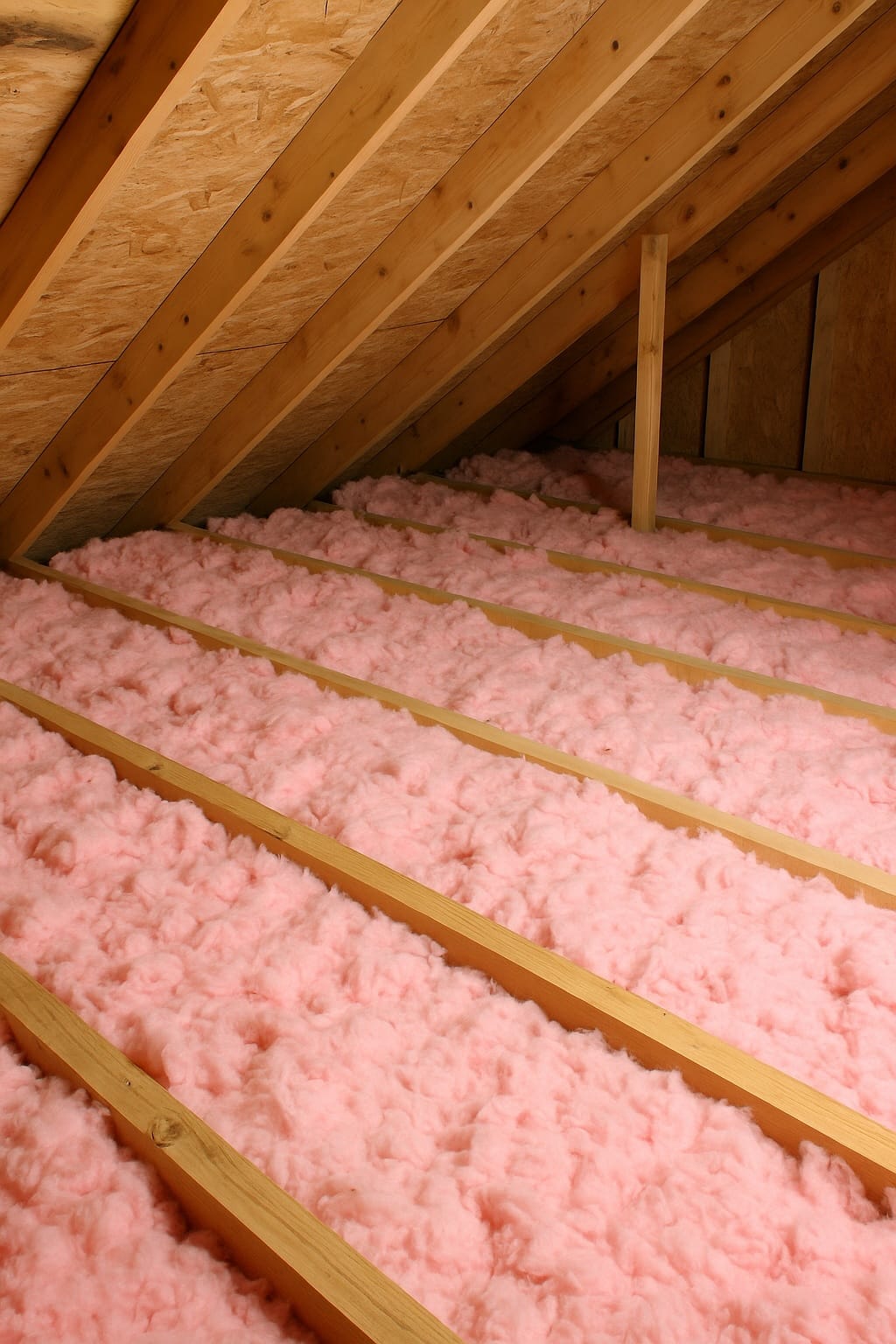
Squirrels love attics because they’re warm, quiet, and safe from predators. Once they’re in, they shred and tunnel through insulation to make pathways and nesting spots. That fluffy blanket that’s supposed to hold heat in your home gets compressed, displaced, and sometimes dragged into piles. The result is uneven coverage, which means cold spots, drafts, and higher energy bills.
And it’s not only about comfort. Squirrels often leave droppings and urine, and nesting material can trap moisture. That combination can lead to smells, staining, and in some cases mold growth. Even if you don’t see the damage, you’ll feel it when the Ottawa winter really settles in.
The hidden damage most homeowners don’t notice
The insulation mess is the obvious part. The hidden part is what causes the “why is my house still cold?” frustration after people try a quick fix. Squirrels tend to widen entry points, chew wood, and sometimes damage ducting or wiring. Even small gaps around plumbing stacks, recessed lights, or attic hatches can become major air leaks once the insulation has been disturbed.
In other words: if the attic is leaking warm air, adding more insulation on top of a wildlife mess is like putting a thicker coat on while leaving the zipper open.
The right way to clean up after squirrels
Before any new insulation goes in, the attic needs to be dealt with properly. A solid cleanup usually looks like this:
- Confirm the animals are gone (or coordinate removal with a wildlife professional)
- Remove contaminated or heavily damaged insulation, especially where nesting occurred
- Sanitize and deodorize affected areas when needed
- Check for ventilation issues, roof leaks, and any damp spots
- Air seal key leakage points so heat and moisture aren’t pumping into the attic
- Rebuild insulation evenly to the right depth for consistent performance
This “reset” is often called an attic restoration because you’re not just topping up, you’re fixing the whole system so it performs properly again.
If you’re comparing options, these pages break down what’s involved: Attic Insulation Montreal & Ottawa and Attic Restoration Montreal & Ottawa.
Why Ottawa homes feel the impact fast
Ottawa winters don’t forgive weak attic insulation. When squirrels disturb coverage, heat escapes through the attic and can contribute to ice damming, especially during freeze-thaw stretches. On windy days, air movement in a patchy attic can make rooms feel colder even when the thermostat says otherwise. The good news is that once the attic is cleaned up, sealed, and reinsulated properly, most homeowners notice a difference right away: fewer drafts, more even temperatures, and a home that holds heat instead of bleeding it out.
How to prevent a repeat “move-in”
Re-insulating is only half the job if squirrels can get back in. Prevention usually means sealing entry points along rooflines, vents, and gaps near soffits. A proper inspection will also look at airflow (soffit baffles, ventilation paths) because a dry, well-ventilated attic is less attractive, and less likely to develop moisture issues after wildlife activity.
If you suspect squirrel damage, don’t wait
If your attic has had squirrels, there’s a good chance your insulation isn’t doing its job anymore. A quick look can confirm whether you’re dealing with minor disturbance or a full-blown insulation failure. Either way, fixing it properly now can save you a lot of discomfort (and cost) later, especially before the coldest part of the season hits. If you’d like, I can also tailor this post to a specific neighbourhood style (older bungalow vs. newer townhome) and add a short “What to expect during the job” section in the same voice.